
"coffee bean grades"
20000 article(s) found

Coffee Bean Quality Coffee Bean Quality Grading Coffee Bean Grading Tips
There is no internationally accepted standard for coffee quality grading, and the grading methods in each country are different. Therefore, coffee classification is based on a number of characteristics applicable to each producing country. Samples of coffee beans are taken from a bag and judged according to the standards of the country of production. These samples are rated according to the evaluation. Most coffee fractions are rated as good or bad.

Standard for grading of fine coffee beans, common sense coffee and raw beans
It is divided by the number of the filter screen, and the size is in the unit of the screen (size). Round beans are generally smaller than flat beans, between 8-13 and 12-29. 8, 9, 10. 12, 13. 18. 29 = small, medium, ordinary. Quasi-big. Big, extra large. The bigger the size, the bigger the beans. SC-19, for example, is the No. 19 bean. According to the elevation of the cultivated land, it can be divided into seven grades.

Which brand of African Kenyan coffee beans is the best Kenyan coffee grade collection
Professional coffee knowledge exchange more coffee bean information please follow the coffee workshop (Wechat official account cafe_style) front street-Kenya coffee introduction Kenyan coffee mostly grows in the altitude of 1500Murray 2100m, harvest twice a year, to ensure that only ripe berries are picked, people
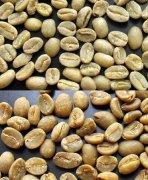
Grading of raw coffee beans there are two ways to grade raw coffee beans.
There are two ways to classify raw coffee beans, one is the filter number, and the other is the elevation. It is divided by the filter number, and the size is size in terms of the screen size. Round beans are generally smaller than flat beans, between 8-13 and 12-29. 8, 9, 10. 12, 13. 18. 29 = small, medium, ordinary. Quasi-big. Big, extra large. The bigger the size, the bigger the beans. Like SC-.

Introduction to the Flavor of Ethiopian Coffee planting method Grade and Grade Yega Chuefei
Ethiopia is the first country to discover coffee, and it belongs to the most important producing country in terms of coffee quality and output, with an annual production of about 350000 tons. Ethiopia is famous all over the world for its mocha beans in Hara, of which Yirgacheff is an Allah produced by Sidamo in the south in a small area with an altitude of 1700 to 2100 meters above sea level.
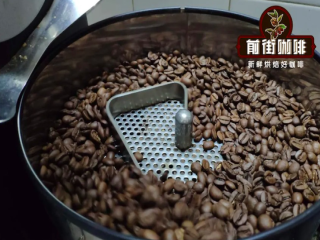
Introduction to the grading standard system of African coffee beans according to what classification of coffee beans
Friends who have tasted boutique coffee must have found that the coffee beans we drink have a variety of grades, so how are they divided? Each coffee producing area uses a different coffee grading system, such as Ethiopia and Kenya, the famous boutique coffee bean producing areas in Africa.

Introduction to Ethiopian coffee beans with mostly small grains and long, pointed beans
Ethiopian beans are easily recognizable, mostly small and pointed long beans, known as longberry, and often mixed with small oval-shaped short beans, called shortberry, which look uneven in size and appearance. The commercial bulk beans of Grade4 or Grade5 are mostly mixed with hundreds of different crystal seeds in different producing areas, so the phenomenon of uneven bean phase is the most obvious.

Introduction to the characteristics of varieties produced by description and treatment of Grade Flavor of washed Coffee beans
The process of screening the grade of washed coffee beans is to put the coffee beans on the Internet and shake them back and forth by machine or manually, the beans the size of a mesh will fall and be removed, and the beans that have been removed will be screened through a smaller sieve.

The description of the Flavor of Coffee by Brazilian Cup Measurement and grading
Brazilian cup test grading: grade 1:Strictly Soft (very mild) grade 2:Soft (mild) grade 3:Softish (slightly mild) grade 4:Hard (light iodine) grade 6:Rioy (strong iodine) where grades 1-3 are collectively referred to as mild, sweet, bitter and sour, and are good coffee with a warm and mellow taste. On the contrary
Graded high-quality coffee beans
There are two ways to classify raw coffee beans, one is the filter number, and the other is the elevation. It is divided by the number of the filter screen, and the size is in the unit of the screen (size). Round beans are generally smaller than flat beans, between 8-13 and 12-29. 8, 9, 10. 12, 13. 18. 29 = small, medium, ordinary. Quasi-big. Big, extra large. The bigger the size, the bigger the beans. Like SC.
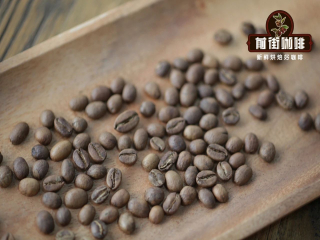
What's the difference between G1 and G2 Yega Xuefei? Classification of coffee beans in Ethiopia
We know that coffee beans are usually graded according to the actual situation of the growing country, such as Kenyan coffee, altitude, blue mountain coffee, and coffee defect rate, such as Ethiopian coffee. Ethiopia, as the gene bank of Arabica, has a wide variety of coffee.

What is the grade of Banwei Manor coffee beans in Kenya (Benvar)? How to rush [Banwei, Kenya]
Professional coffee knowledge exchange more coffee bean information please follow the coffee workshop (Wechat official account cafe_style) Kenya (Benvar) Banwei Manor coffee beans what grade? How to wash [Kenya Banwei] washing beans is not sour? Located in Kenya below the equator of East Africa, the coffee beans planted are high-quality Arabica beans with thick and round meat.

Coffee grades introduction Coffee Grade introduction Fine Coffee beans
◎ grades defective beans by the number of points, which is the earliest method of grading, and is still in use in many parts of Brazil. The method of identification is to randomly take 300 grams of samples and put them on black paper, because black paper can best avoid reflection. Then, examined carefully by the professional appraiser, find out the defective beans in the sample, and accumulate different scores according to the types of defects. For example, one black bean counts as one.
Grading standard of raw coffee beans
There are two ways to classify brown raw beans, one is to filter the number, and the other is to divide it by elevation. It is divided by the number of the filter screen, and the size is in the unit of the screen (size). Round beans are generally smaller than flat beans, between 8-13 and 12-29. 8, 9, 10. 12, 13. 18. 29 = small, medium, ordinary. Quasi-big. Big, extra large. The bigger the size, the bigger the beans. Like SC-1.
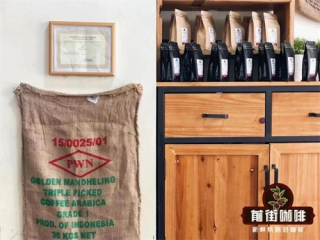
What is the difference between PWN Gold Manning and G1 Manning introduction to the grading system of Mantenin coffee beans
Professional barista communication please follow the coffee workshop (Wechat official account cafe_style) about PWN Manning G1 and Golden Manning do you know the difference? What's the difference? PWN Mantenin G1 according to Sumatra data, during the Japanese occupation of Sumatra in Indonesia during World War II, a Japanese

How to grade raw beans of Brazilian coffee? how to divide the grading system of Brazilian coffee?
Professional coffee knowledge exchange more coffee bean information please follow the coffee workshop (Wechat official account cafe_style) front street-Brazil coffee graded introduction coffee bean origin management methods are different, some are composed of large and small farmers, some are dominated by professional business owners, even in the same place of coffee, its quality and flavor are also different, in order to mark coffee products
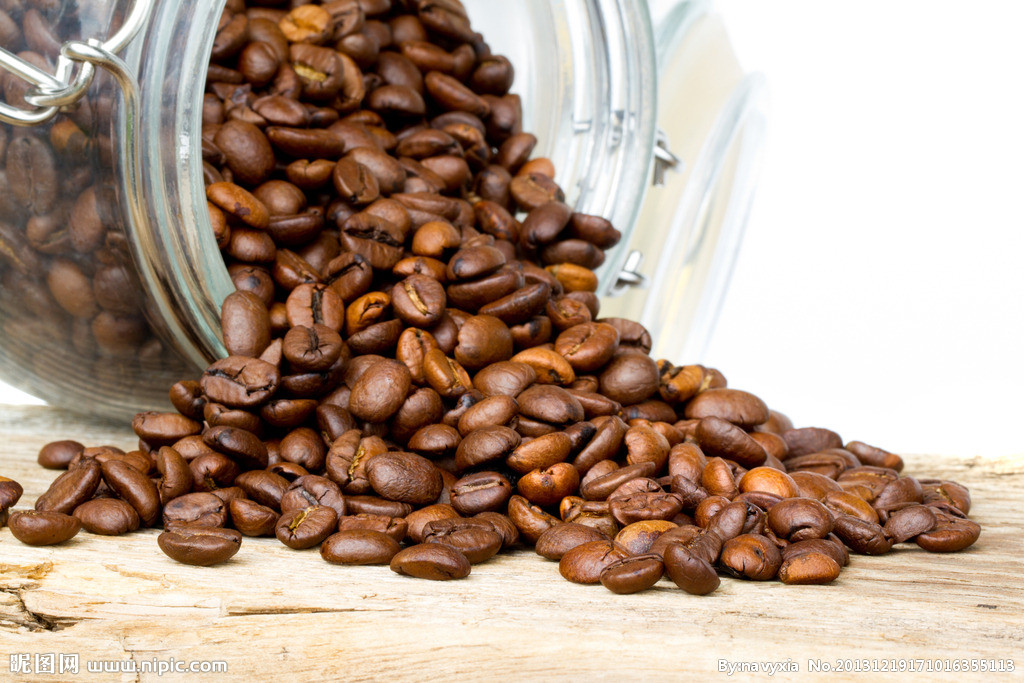
The main points of knowledge about the quality of coffee beans: coffee quality grading coffee beans grading in detail
There is no internationally accepted standard for coffee quality grading, and the grading method varies from country to country. Therefore, coffee classification is based on some of the characteristics applicable to each producing country. The sample of coffee beans taken from a bag is judged according to the standards of the producing country, the samples are rated, and most of the coffee is good or bad according to the evaluation.

How Ethiopian coffee is graded why Ethiopian coffee beans vary in size
Professional coffee knowledge exchange more coffee bean information please follow the coffee workshop (Wechat official account cafe_style) Ethiopia is the hometown of Arabica coffee, it is in Ethiopia's Kaffa region of the forest, you can see wild Arabica coffee. In Ethiopian, coffee is called Bun or Buna, coffee beans (coffeebean
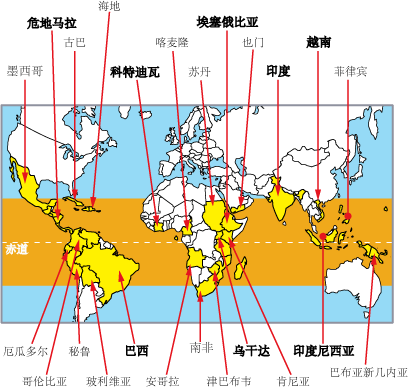
Coffee Common sense Coffee grading system summarizes the selection of classification methods in various countries to determine the altitude of coffee origin
First of all, we should know clearly that the factors that ultimately determine the flavor of coffee come from the environment of its producing area, the way of treatment and the quality of raw beans. I believe that without better raw beans, no matter how good the roaster will not bake amazing coffee. Of course, when good coffee beans are in the hands of baristas, baristas should fully understand their characteristics and then add icing on the cake.
What are the treatment methods of coffee beans G1 G2 G3 G4 respectively?
In fact, these Grade-2,Grade-3 do not exactly represent the level of quality. What does that mean? As follows: washing: Grade-1;Grade- 2 days sun: Grade-3;Grade-4;Grade-5 and Grade-1 several points to note: a) regardless of washing and sunlight, there is Gr-1, the condition is zero defect and Premium Cup. Whether it's washing or tanning, Gr-1 is the best of the boutiques or Cup of.